Hanane Hajj Ali, ‘Jogging’ for Survival in Beirut

American Theatre magazine

The Lebanese playwright/performer, who receives a major international award next week, talks about her work, where it comes from, and what it means in this fraught time.

Hanane Hajj Ali

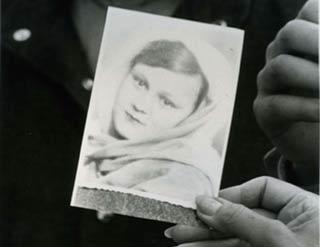
Hanane Hajj Ali (she/her) is many women. She is an actor and a playwright. A feminist and a political activist. A mother and a wife. A private and public risk-taker. Beyond Lebanon, where she was born in 1958 and where she lives today, she is perhaps best known for her one-woman play Jogging: Theatre in Progress, a humorous, erotic and finally dark performance, during which Hajj Ali inhabits and tells the stories of four women: Hanane herself; the Medea of Ancient Greek myth and Euripides’s tragedy; and two contemporary Lebanese women, one who kills her children and herself, and another who sacrifices her children to the wars of the Middle East. Or, as Hanane asks in Jogging, “Who is Medea today in a torn city like Beirut? If the age of tragedy as a type of theatre is gone, why do I smell catastrophe every time I run on the streets of Beirut?”

Read more

Songwriters Agree: Cabaret Is A Great Venue for Nurturing New Work

Bistro.com

Cabaret is intimate. Or as Tovah Feldshuh says, “A good nightclub act is a bit like a date: it has a sexual factor in it, it has an entertainment factor in it, and it has the knowledge that people are eating while they’re watching.” In a theatre, there’s an invisible wall between an actor and her audience, and chances are nobody is eating. But despite those differences, cabaret can be the platform where the most vital elements of a stage musical—its songs—first find an audience, and where songwriters who want to bridge both worlds can hone their craft and maybe change musical theatre as we know it. More and more, songwriters forge careers in cabaret, where they can try out their numbers before trying the world of musical theatre.

Jeremy Cohen and Sam Bolen in the York Theatre production of Midnight at the Never Get (photo by Carol Rosegg).

Read more

Dramaturgy Meets Biography

The Theatre Times

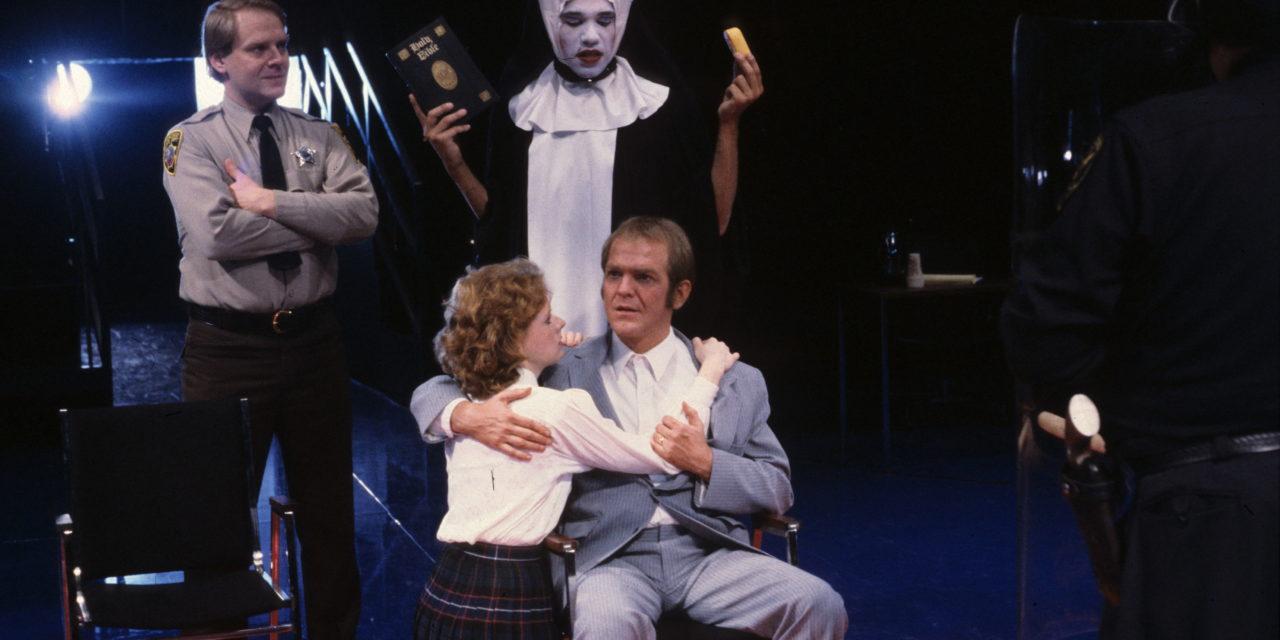
Emily Mann’s “Execution of Justice” (1985) at the Guthrie Theater in Minneapolis. Photo: Joe Giannetti

I am a dramaturg. I am also a biographer.

As a dramaturg, I try to help a playwright tell the story of her play. As a biographer, I try to tell the story of a life. Does one role feed the other? Do the skills required for one art overlap with the skills needed for the other? Is there a dramaturg-biographer collaboration?

Read more

Theatre Against Violence Against Women

American Theatre magazine

Patricia Ariza and Joanna Sherman lead companies in war zones where female bodies and liberty are among the worst casualties.

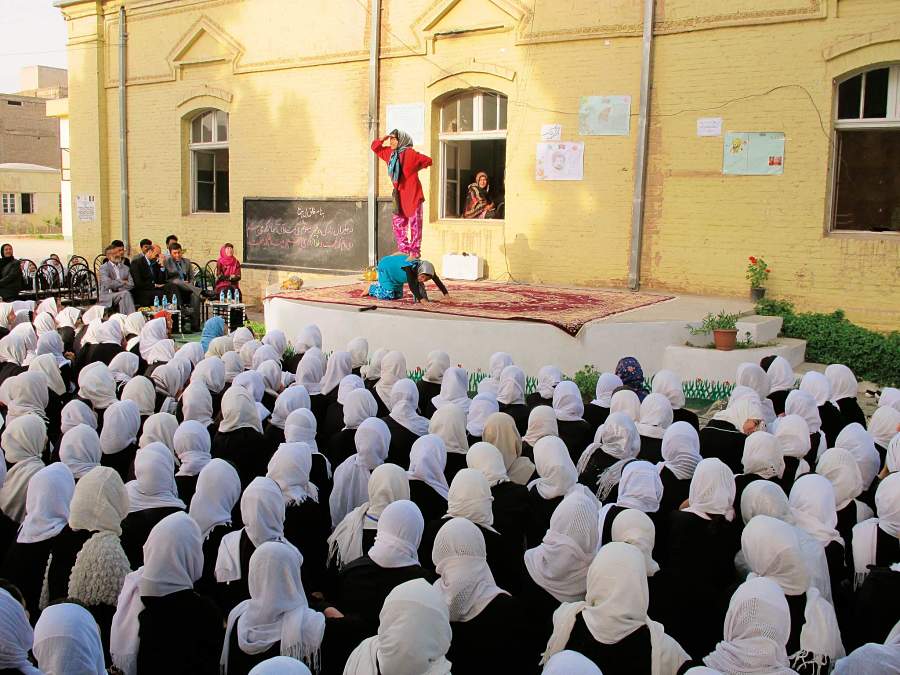
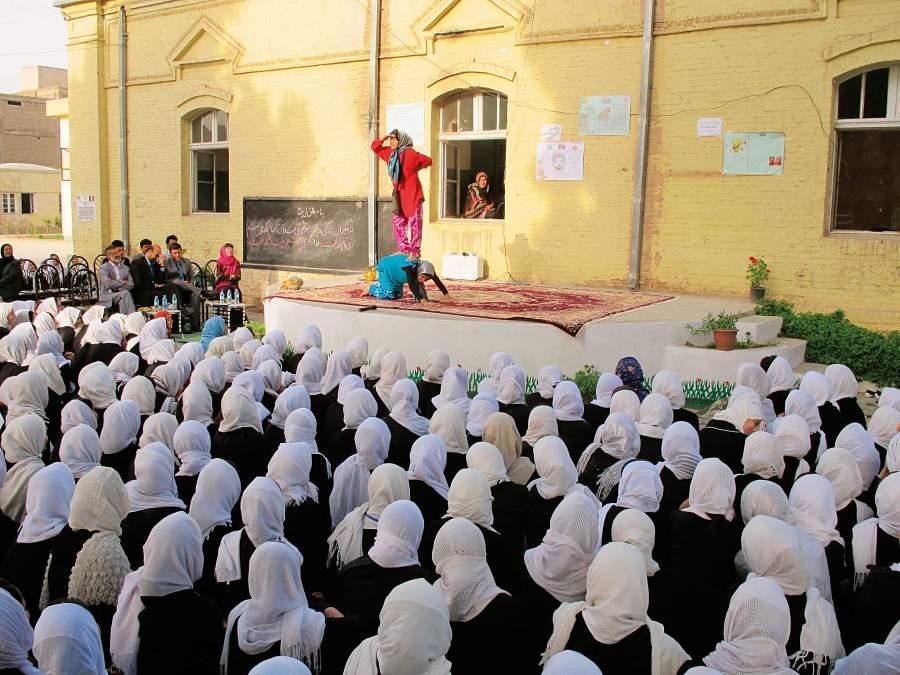
A performance of “Rahela’s Bride” by Simorgh Theatre at Mehri High School in Herat, Afghanistan. (Photo by Anna Zastrow)

It is Aug. 27, 2009. The women, hundreds of them, gather in the Plaza Bolívar in Bogotá, Colombia, carrying signs with images of husbands and fathers, sons and daughters, who have disappeared during years of civil strife and are most likely dead.

Dónde están? Where are they?

The demonstrators chant, while another group of women—dancers clad in flowing, persimmon-colored dresses—swirl in front of them, asking the forbidden question, confronting power through theatre.

Read more

Women in Tyvek: Hope in Nontraditional Green Jobs

On the Issues Magazine

Every morning the trucks roll out of the garage at Community Environmental Center (CEC), and every morning Ruby Carrasquillo is sitting in one of them, heading to a worksite.

Carrasquillo is a weatherization technician at CEC, a Queens-based nonprofit that brings weatherization to low-income homes and apartment buildings in the New York Metro Area. She is also a member of Local 10 of the Laborers International Union of North America (LIUNA), and she spends her days blowing cellulose insulation into walls, insulating pipes, weather-stripping doors, or caulking windows.

Carrasquillo, in other words, is that relatively rare item still a female construction worker in the energy efficiency industry. The women on the CEC crews there are three of us out of 23 weatherization technicians do just as much work as the men, says Carrasquillo, interviewed recently while insulating basement pipes at a job site in Brooklyn. This is a great job for a woman, and there is nothing we cant do.

Read more

Whatever Happened to Nora? Women’s Fears Left Huddling on A Grate

On The Issues Magazine

©Joan Roth

Recently, while walking on the Upper West Side of Manhattan, where I live, I saw a woman who made me think of Nora from Henrik Ibsen’s play A Doll’s House, more than a hundred years later, of course, and considerably older.

The woman was inching a number of upright shopping carts along the pavement. She would move one, then stop and move another, herding them, as it were, down the sidewalk. Each cart was crammed with her personal items and each was covered with an industrial-size, black plastic bag. She could have been in her late fifties or early sixties, and she looked healthy and well-groomed. She had just been evicted from her apartment, she told me, after losing her job and not being able to pay her rent. She was heading toward a shelter.

Read more